


-

Add: HeBei ShengShi HongBang Cellulose Technology CO.,LTD.
-

Email
13180486930@163.com -

CONTACT US
+86 13180486930
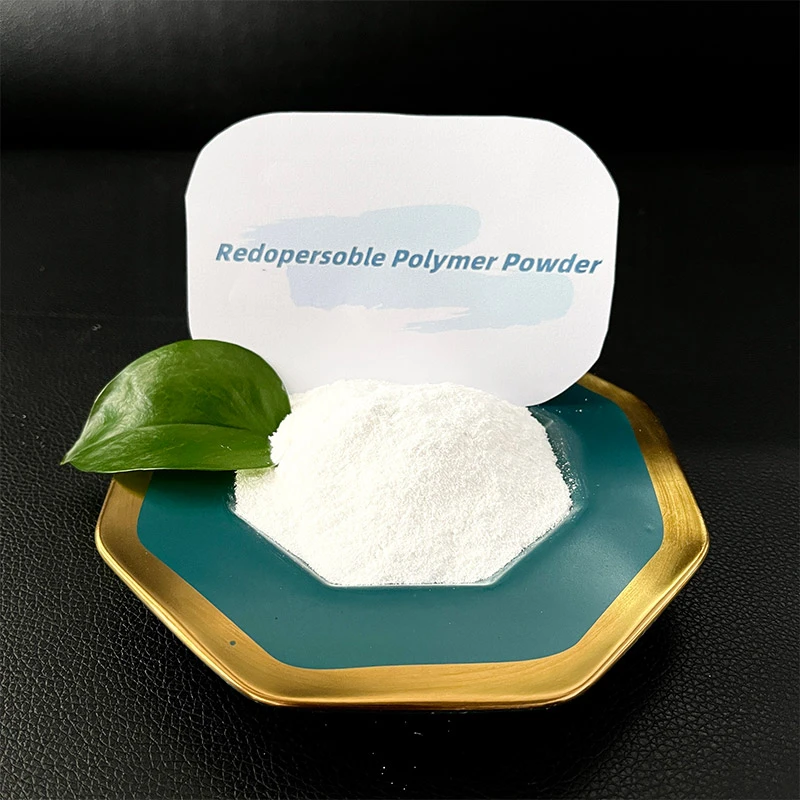


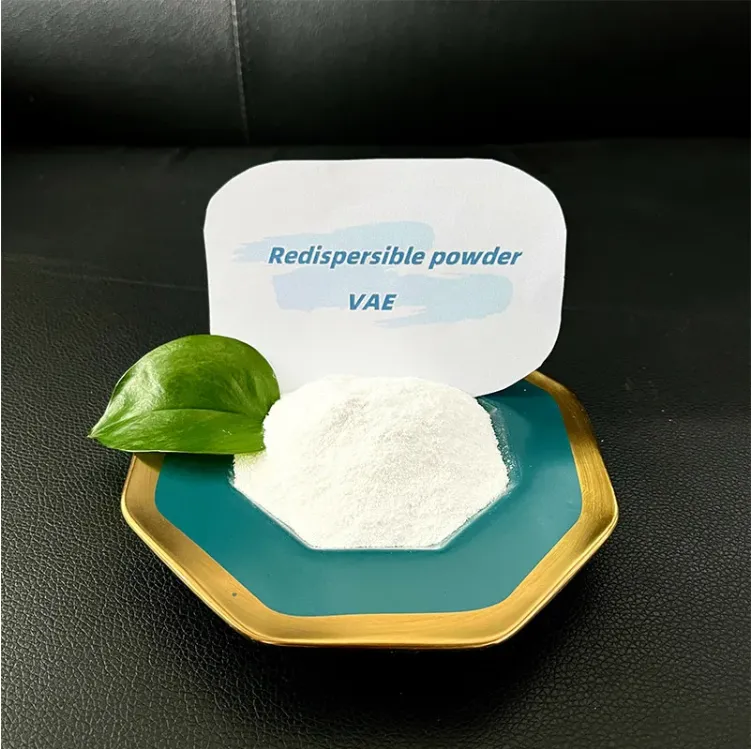
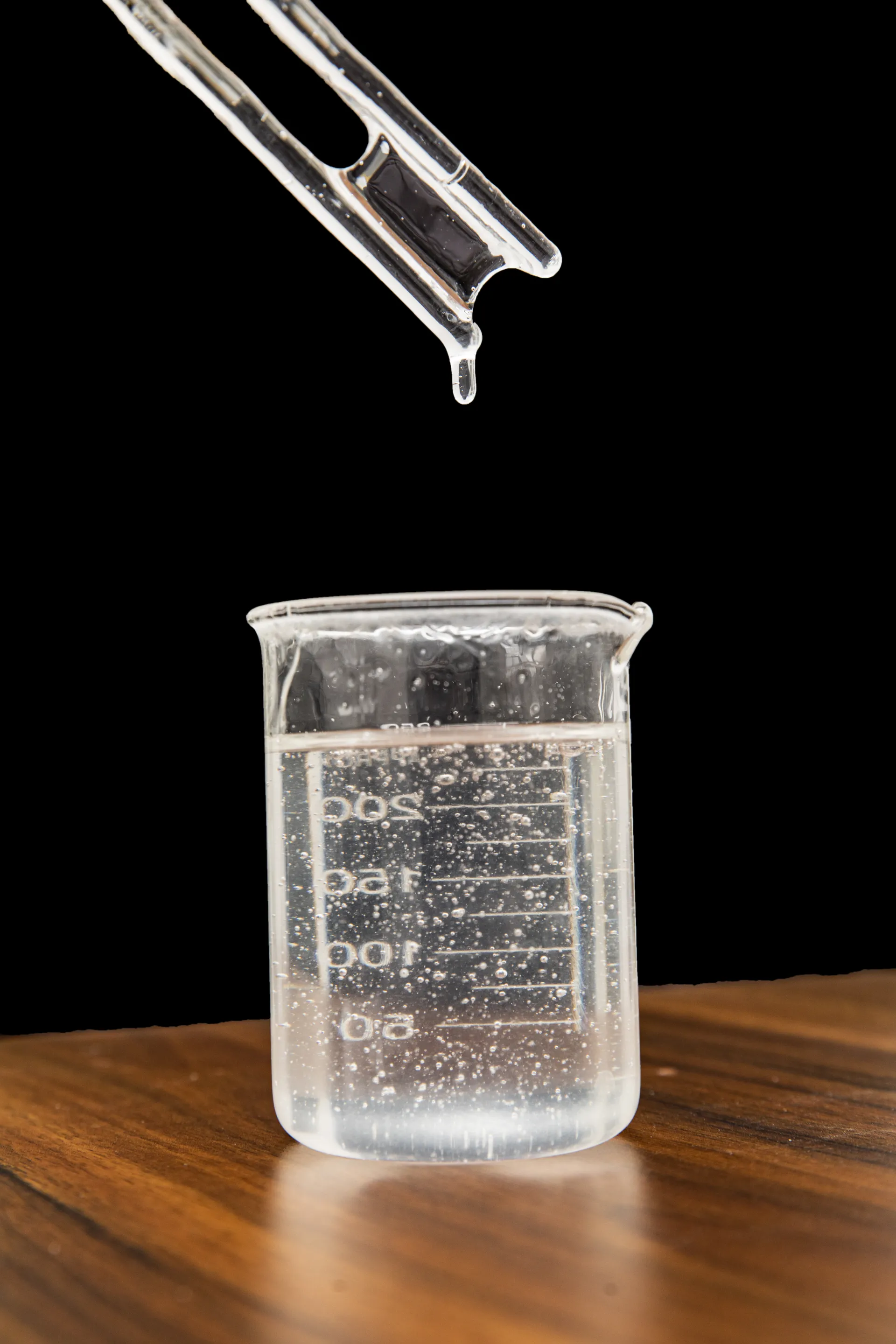



HPMC K 100 M, short for Hydroxypropyl Methylcellulose, is a versatile polymer widely used across industries like pharmaceuticals, construction, personal care, and food. From a professional lens, it’s imperative to understand the multi-faceted applications and the experience of its effectiveness in diverse sectors. As a high-viscosity grade of HPMC, K 100 M is particularly recognized for its unique properties, providing thickening, emulsifying, and film-forming capabilities that outperform many traditional ingredients. In the pharmaceutical industry, HPMC K 100 M is a cornerstone . This polymer is predominantly used as a binder and hydrophilic matrix material in tablets. Its exceptional gel-forming ability upon contact with water aids in controlling the release of drugs, making it an indispensable component in the formulation of sustained-release tablets. Experts have noted that its consistent performance significantly improves patient compliance and therapeutic efficacy, as drug release can be meticulously controlled over extended periods. HPMC K 100 M excels in the field of construction, offering enhanced water retention and workability in building materials. Its application in cement, plaster, and tile adhesives ensures that workability is greatly improved, and setting times are optimized, which is crucial for large-scale construction projects. As experienced contractors and engineers suggest, using HPMC ensures consistency and performance stability, leading to reduced material costs and improved structural integrity. The polymer’s ability to enhance sag resistance and facilitate easier application further underscores its indispensability in modern construction practices. hpmc k 100 m In personal care products, HPMC K 100 M is lauded for its non-toxic, biodegradable nature, enhancing both safety and compliance with stringent regulatory standards. This cellulose ether is utilized as a thickener and binder in skincare and haircare products. Beauty industry experts highly regard its film-forming properties that provide a smooth, evenly distributed application for lotions and creams, enhancing the skin's feel and protecting it from irritants. Innovators in personal care formulations emphasize its hypoallergenic nature, which is a crucial factor in products designed for sensitive skin types. Moreover, the credibility of HPMC K 100 M in food applications cannot be understated. It's used as an emulsifier, thickener, and stabilizer in various food products, including dairy and bakery items. This polymer enhances texture and mouthfeel while maintaining the structural integrity of products during freezing and thawing processes. Food scientists advocate HPMC K 100 M for its ability to act as a vegetarian alternative to gelatin, expanding the scope of product offerings and catering to a wide demographic seeking plant-based options. In conclusion, the manifold applications of HPMC K 100 M in diverse industries underscore its expertise and authoritative standing among polymers. Those with comprehensive experience using HPMC K 100 M consistently report marked improvements in product quality and process efficiency. Its unmatched versatility, combined with the expertise of professionals across sectors, ensures HPMC K 100 M remains a trusted, authoritative choice. Its reliability as a product ingredient, supported by substantial empirical application and industry accolades, reinforces its trustworthiness in the eyes of manufacturers and consumers alike.
- 40000tons

Production
- 20+years

Experience
- 5000+㎡

Acreage

-
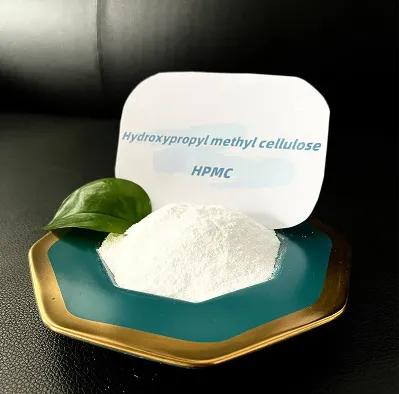
Hypromellose, also known as hydroxypropyl methylcellulose (HPMC) , is a versatile and widely used ingredient in the pharmaceutical, cosmetic, and food industries. Its unique properties and myriad applications showcase how it has become an indispensable component across these sectors. In the pharmaceutical field, hypromellose plays a crucial role in drug formulation and delivery. Thanks to its controlled release properties, it enhances the efficacy and patient compliance of oral medications. Many extended-release tablets employ hypromellose as a matrix to modulate the drug release profile. This capability ensures a sustained therapeutic effect, reducing the need for frequent dosing. Furthermore, hypromellose is known for its excellent biocompatibility and safety profile, making it an ideal candidate for a variety of pharmaceutical applications. As a non-toxic and non-irritant compound, it is used extensively as a coating agent to mask unpleasant tastes and protect drugs from environmental degradation. In the cosmetics industry, hypromellose is valued for its ability to improve product texture and stability. As a film-forming agent, it aids in the creation of smooth, even coats on hair and skin, contributing to the enhanced consistency and efficacy of skincare and haircare products. Its water-retentive properties also make it a popular ingredient in hydrating serums and lotions, ensuring prolonged moisturization. By regulating viscosity, hypromellose enables formulators to achieve the desired thickness and flow in creams and gels, thereby enhancing user experience. It is often used in eye drops to alleviate dryness, providing soothing relief and ensuring safety for the sensitive eye area. hypromellose hydroxypropyl methylcellulose In the food industry, hypromellose finds applications as a vegetarian-friendly alternative to gelatin and other animal-derived ingredients. Its gelling and thickening properties make it an invaluable additive in creating plant-based products, appealing to the growing demographic of vegan and vegetarian consumers. Hypromellose ensures the stability and quality of products like dairy alternatives, gluten-free baked goods, and ready-to-eat meals, enhancing mouthfeel and texture. Its safety, non-toxic nature, and ability to form clear, palatable solutions make it a trusted component in food formulations that require thickening, stabilization, or emulsification. To gain the competitive edge that Google acknowledges, it is essential to delve into experience-based, expert-backed studies and real-life case uses of hypromellose. Engaging with industry professionals and consumers who utilize this ingredient allows for collecting authentic insights that bolster the credibility of any discourse on hypromellose. Referencing scholarly articles and patents illustrates a deep understanding and authoritative stance on the topic. Building trust with an audience relies on demonstrating the consistent and reliable performance of hypromellose in various applications, asserting its undeniable importance and benefit across multiple industries.
-
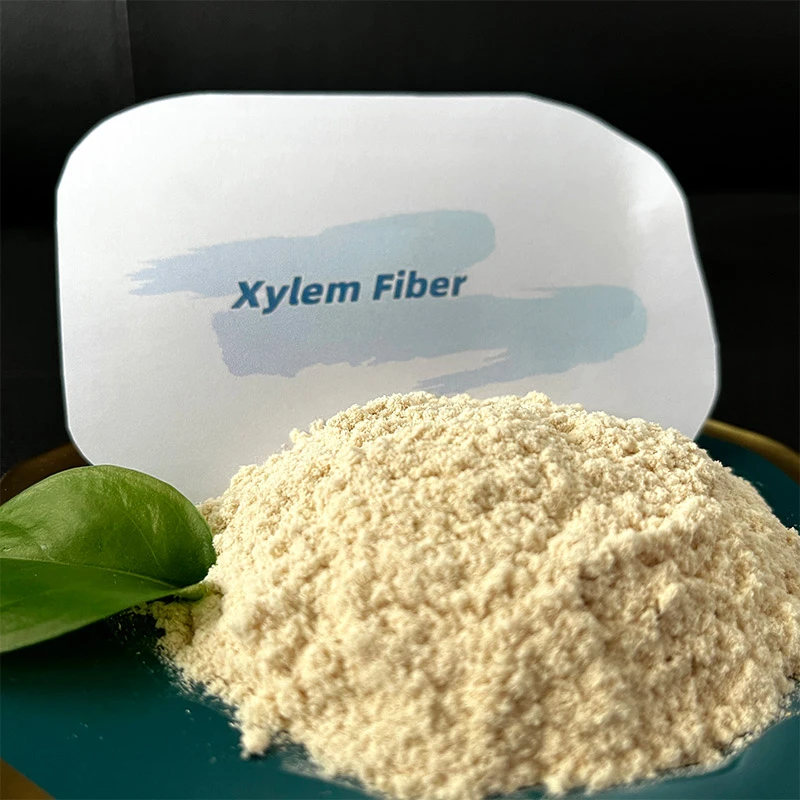
Redispersible emulsion powder is a vital ingredient in modern construction materials, offering numerous benefits in terms of performance and durability. This polymer powder is used in various building products such as cement, plaster, tile adhesives, and dry mix mortar. When added to these materials, redispersible emulsion powder improves flexibility, adhesion, and water retention, resulting in stronger and more durable constructions. The primary function of redispersible emulsion powder is to enhance the properties of dry mix products. It enables the mixture to be re-dispersed in water, which activates the polymer, improving its performance when applied in real-world conditions. For example, when used in plaster, it enhances adhesion to surfaces, making it more resistant to cracking. Similarly, when used in tile adhesives, it ensures better bonding and reduces the likelihood of tiles coming loose over time. In addition to providing superior technical benefits, redispersible emulsion powder is also cost-effective. It allows manufacturers to create high-performance building materials without increasing the overall cost. For construction professionals, this translates into high-quality results at a lower cost, which is essential for both large-scale projects and smaller, budget-conscious renovations. Ethylene Vinyl Acetate Powder: A Versatile Polymer in Construction Another essential polymer used in the construction industry is ethylene vinyl acetate powder (EVA powder) . This versatile material is widely used as an additive in construction products to improve their strength, durability, and flexibility. EVA powder is a copolymer made by combining ethylene and vinyl acetate, offering unique properties such as increased impact resistance, higher tensile strength, and improved flexibility. In the context of construction, ethylene vinyl acetate powder is used to enhance the properties of coatings, adhesives, and flooring materials. For example, when added to tile adhesives, it ensures that the adhesive remains flexible over time, preventing cracks and improving its ability to withstand temperature fluctuations. Similarly, in the production of flooring materials, EVA powder provides additional cushioning, making the floors more comfortable and durable. What makes ethylene vinyl acetate powder particularly valuable in construction is its ability to improve the workability of materials. It reduces the viscosity of adhesives and coatings, making them easier to apply and spread. The result is smoother, more efficient application processes, which save both time and labor costs. Additionally, EVA powder is known for its resistance to UV rays and chemicals, ensuring that construction materials remain strong and reliable over time, even when exposed to harsh environmental conditions. Polymers for Detergent Powder: Enhancing Performance and Efficiency While redispersible emulsion powder and ethylene vinyl acetate powder are widely known in the construction industry, their cousin – polymer for detergent powder – plays a crucial role in the detergent industry. Polymers in detergent powders are essential for improving their efficiency and performance, especially in terms of cleaning power and fabric protection. Polymers for detergent powder enhance the dispersibility of the powder in water, ensuring that the detergent can spread evenly across fabrics and dissolve effectively. They also help reduce the formation of residues, ensuring that detergents work at their best without leaving behind unwanted residues on clothing. Additionally, these polymers can be engineered to help control the release of detergents, enhancing their ability to clean in a variety of washing conditions. Another important benefit of polymer for detergent powder is its ability to help soften fabrics. Polymers like polyacrylates or polycarboxylates, which are commonly used in detergents, create a protective layer around fibers, reducing friction and wear and tear. This feature is particularly beneficial in laundry applications, as it not only improves the longevity of fabrics but also enhances their feel and appearance. Redispersible Polymer Powder Manufacturers: Key Players in Innovation When it comes to sourcing redispersible polymer powder , finding a reliable and experienced manufacturer is key to ensuring high-quality products. Redispersible polymer powder manufacturers play a crucial role in the supply chain, providing construction companies with the materials necessary to produce superior building products. These manufacturers invest in research and development to continuously improve the performance and properties of their products. By working with redispersible polymer powder manufacturers , businesses can access the latest innovations in polymer technology, ensuring that they are using the best materials available for their projects. Additionally, many manufacturers provide tailored solutions, customizing the polymer blends to suit specific applications or environmental conditions. The growing demand for high-performance building materials means that redispersible polymer powder manufacturers are also expanding their production capabilities to meet the needs of the global market. Whether it's in large-scale commercial projects or residential construction, the role of these manufacturers in supporting the industry cannot be overstated. How Redispersible Polymers and Additives Shape Construction and Detergent Products The impact of redispersible polymer powders and additives like ethylene vinyl acetate powder is not limited to just construction materials. These high-performance polymers are also making their mark in industries like detergents, where they enhance cleaning power and fabric care. Whether used in dry mix mortar or laundry detergents, these innovative ingredients play a critical role in improving product functionality and longevity. By incorporating these polymers into their products, manufacturers can improve the overall quality of the materials they produce, leading to better performance, durability, and customer satisfaction. The versatility of these additives allows them to be used across different industries, providing reliable solutions to everyday problems. Redispersible E mulsion P owder FAQs What is redispersible emulsion powder and how is it used in construction? Redispersible emulsion powder is a polymer that is used to enhance the properties of dry mix materials like cement, plaster, and tile adhesives. It improves flexibility, adhesion, and water retention, resulting in stronger and more durable constructions. How does ethylene vinyl acetate powder improve construction materials? Ethylene vinyl acetate powder (EVA powder) improves construction materials by enhancing their strength, flexibility, and resistance to environmental factors like UV rays and temperature fluctuations. It is often used in coatings, adhesives, and flooring materials. What are the benefits of using polymers in detergent powders? Polymers for detergent powder improve the dispersibility of the detergent in water, reduce residue formation, and help soften fabrics. They also enhance cleaning performance by controlling the release of detergents during the washing process. Why is it important to choose a reliable redispersible polymer powder manufacturer? Choosing a reliable redispersible polymer powder manufacturer ensures that you receive high-quality products that meet industry standards. These manufacturers also provide customized solutions to suit specific applications and environmental conditions. Can redispersible polymer powders be used in both residential and commercial construction? Yes, redispersible polymer powders are used in both residential and commercial construction projects. Their versatility makes them suitable for a wide range of applications, from cementitious coatings to tile adhesives and more. These advanced polymer technologies are essential to the modern construction and detergent industries. By investing in products like redispersible emulsion powder and ethylene vinyl acetate powder , you can ensure your construction and cleaning projects perform at their best. Explore our range of high-quality polymers and additives today on our website, and discover how they can improve the performance and durability of your products!
advantages
-

200000 Viscosities
Excellent product
We can produce pure products up to 200,000 viscosities
-

40000 tons
High yield
We don’t stop production all year round, and the annual output can reach 40,000 tons
-

24 hours
Quality service
We provide 24-hours online reception service, welcome to consult at any time
———— Inquiry Form
Schedule A services

-
 bubuk_lateks_yang_dapat_didispersikan_kembali
Oct . 25, 2025
Hydroxy starch has emerged as a promising ingredient in various industries due to its versatile prop -
 high_density_polyethylene_powder
Oct . 25, 2025
Hydroxypropyl Methyl Cellulose (HPMC) has emerged as a versatile material in various industries, off - tagagawa_ng_china_hpmc-hydroxypropyl_methyl_cellulose
Oct . 25, 2025
Powder rubber, an increasingly popular material in various industries, offers a myriad of applicatio


